Here Today, Gone Tomorrow: Should Your Security Cameras Be Temporary or Permanent?
Temporary and permanent security cameras each have their place, depending on how long a site needs protection and how much its security needs will change over time. Temporary construction security cameras offer flexible coverage for evolving job sites, seasonal operations, and properties without permanent power or internet, while fixed cameras make sense for established locations with predictable risks. For many businesses, combining both provides the flexibility to keep security coverage where it's needed most.
Security cameras watch your property, but what happens when that property won't look the same six months from now?
Maybe you're breaking ground on a new building. Maybe you need extra coverage on your parking lot during the holiday rush. Or maybe your property WILL look the same. You’re looking to beef up security for a warehouse that’s been there for 20 years and will still be there another 20 years from now.
All three of these sites need security, but they don't necessarily need the same type of security cameras. Choosing between permanent and temporary surveillance comes down to more than just upfront price. You’ll also need to consider how long you'll need coverage, whether your security risks will change, and what the site will look like now and in the future.
Sometimes permanent cameras are absolutely the right answer. Other times, installing permanent infrastructure makes zero sense at all. The first step is to consider your timeline.
How Long Will You Be There?
Before comparing cameras, cables, features, or installation quotes, start with the obvious question: How long will I need security?
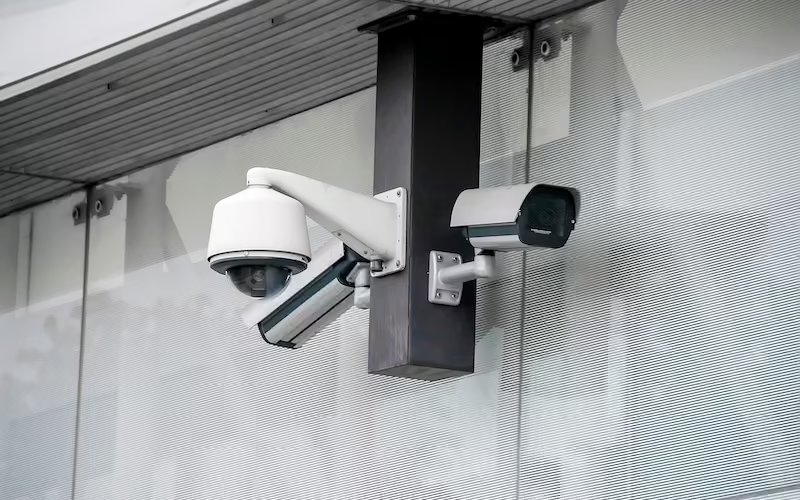
If you're protecting a corporate headquarters, distribution center, retail store, school, or manufacturing facility that will operate for years, permanent video surveillance cameras make plenty of sense. Installing power, network connections, mounting hardware, and other infrastructure is easier to justify when you're going to use it for the foreseeable future.
But what about a nine-month construction project? Or a temporary equipment yard you'll only use until December? Temporary construction security cameras can provide coverage for exactly as long as you need it, and don’t require you to invest in permanent infrastructure you'll eventually tear back out when the project ends.
Temporary surveillance allows security to match the lifespan of the site. Need cameras for three months? Great, deploy them for three months. Need them for two years? Keep them there for two years. When the job is done, return them!
For Construction Sites, Temporary Usually Wins
Construction sites may be the clearest example of why temporary security exists in the first place. One month, the biggest risk is a pile of expensive materials sitting near the perimeter. A few months later, the building is framed and tools are stored inside. Later still, contractors are working throughout the structure and heavy equipment has moved to another section of the property.
The site doesn't sit still, and your security shouldn't either. Temporary construction security cameras move with the project. Teams can easily reposition coverage based on equipment, materials, entrances, storage areas, or other high-risk locations—an impossible (or at least very expensive) feat with a permanent system.
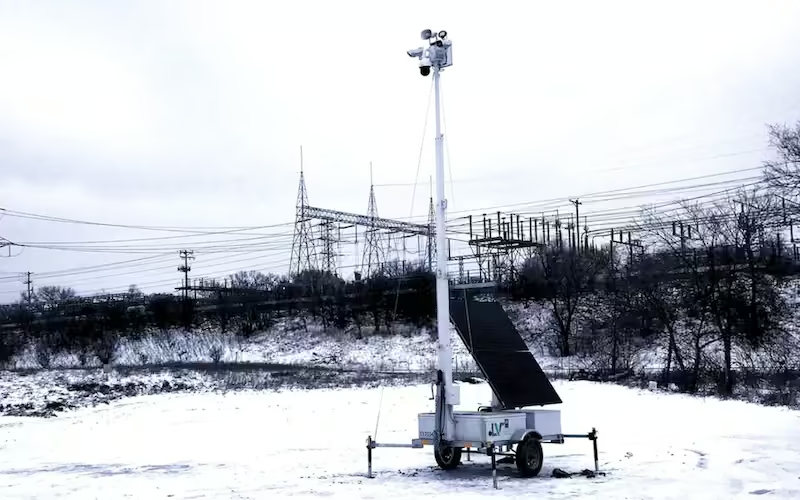
Additionally, the building you're planning to attach your cameras to might not exist yet. Oops. Mobile surveillance units provide their own elevated camera platform, power, and cellular connectivity, making them useful for open lots and early-stage construction projects where traditional infrastructure is limited. In other words, no power? No problem!
With Existing Buildings, Permanent Can Make Sense
If you're securing a building that has operated from the same site for 15 years and has no plans to move, permanent cameras may give you the most bang for your buck.
With a fixed surveillance system, cameras cover known entry points and high-risk areas. Since nothing is likely to change, infrastructure is installed once and used for years. After all, you might not need a mobile camera watching Dock 3 if Dock 3 will still be Dock 3 in 2037.
Permanent systems also work well when security technology needs to be closely integrated with existing building infrastructure, such as access control or other onsite systems.
Sometimes the Answer Is Both
Even a permanent property can occasionally use temporary help. Suppose a retail center already has permanent cameras covering entrances, sidewalks, and the parking lot near the building. Most of the year, that's plenty. Then November rolls around.
Holiday shoppers fill overflow parking areas that barely see traffic the rest of the year. Vehicles are farther from the building. Employees leave after dark. More people and more merchandise create new opportunities for theft.
Does it make sense to permanently install cameras in an overflow lot that only needs extra coverage six weeks a year? Probably not. Temporary cameras can supplement the permanent system during the period of increased risk and then go away when the holiday decorations go back into storage.
The same approach works for festivals, sporting events, construction projects on existing properties, or any other temporary change that stretches security beyond its normal footprint. Both provide remote video surveillance, so you know what’s happening on your property anytime, anywhere.
Match the Camera to the Property
So, temporary or permanent? For stable, long-term properties with established infrastructure and predictable security needs, permanent cameras are often the natural choice.
For construction sites, temporary construction security cameras often make more sense, especially when the property is constantly changing or doesn't have easy access to power or internet. Seasonal operations and temporary properties can benefit from that same flexibility.
And for plenty of businesses, the smartest answer will be a combination of both.
Contact LVT for a free demo to see how mobile surveillance can complement permanent security infrastructure or provide flexible coverage for your next temporary site.