Where Security Leaders Should Focus in 2027

Security leaders in 2027 must transition cameras from passive recording devices into integrated physical AI data sources that drive operational value across the entire enterprise.
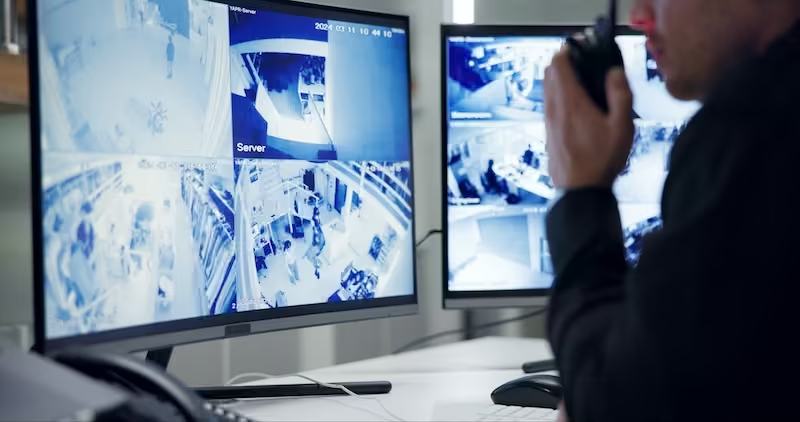
For decades, a security camera had one job: record an incident so someone could review the footage later. That role is changing. Computer vision and agentic AI are turning cameras into a live source of information about what is happening in the physical world.
For security leaders, 2027 is a good year to decide whether that information stays inside the security department or becomes part of how the whole business runs. Here is where to focus.
Recognize What Your Cameras Already Produce
Most companies own far more video than they use, and almost none of it is put to work beyond security. It is unstructured data from the physical world, and it may be the largest untapped data source a company has. Until recently there was no practical way to use it at scale. AI has changed that. It can turn video into structured information. Consider what a camera at a distribution yard, a construction site, or a retail lot could tell people beyond whether a crime occurred. This could include: how busy the site is, whether equipment is where it should be, whether work is running on schedule.
The challenge now is making use of the information. That takes intentional choices about where cameras are placed, how they are connected, and who can see what they see. Leaders who treat cameras only as recorders will leave most of that value unused.
Expect Physical AI to Join the Business Technology Stack
Most companies run on a familiar set of systems: HR information, enterprise resource planning, customer relationship management with quoting tools, and service ticketing. LVT (LiveView Technologies) expects physical AI to become the fifth, meaning vision and agentic AI that understand and act on what happens in the physical world.
That has a practical consequence. Camera data will be integrated, consumed, and acted on the way other business data is. The video management system becomes one consumer of that data among several, and the connections run in both directions. Integration questions need to reach well beyond whether a camera works with your current video management system.
Build Relationships Outside Security
Forward-looking security teams should bring the chief information officer (CIO) into the conversation about cameras. The reason is that a CIO is responsible for information, and a camera that produces a steady stream of intelligence the business can act on is an information source worth caring about. Teams that make that connection early build a working partnership, and the whole organization gets more value from the video it already collects. The same is true for operations, facilities, safety, and other departments that benefit from knowing what is happening on site. Security teams usually own the camera systems already, which puts them in position to bring the rest of the business along. That only works if the relationships exist first, so start building them now. Ask each department what it would want to know about its sites and how quickly. The answers show which uses to support first.
Start With Access, Not An AI Project
You do not need an elaborate AI program to begin. Giving other departments access to live video streams is a useful first step. It builds relationships, shows what cameras can do, and gets people thinking about video as a tool for operational efficiency. Treat it as a pilot with a clear owner and a short list of questions the video should help answer, so you can show results early.
From there, agentic AI tools can be layered on to turn video into data that feeds the wider technology stack. Doing it in this order means the business is ready to use the data when it arrives. LVT calls this approach intelligent site management: eyes on every site, connected to the systems that act on what they see.
Choose Open, Reliable Systems
Two decisions will limit or enable everything above. The first is openness. A platform that locks you into proprietary hardware, or accepts data without sending it back out, turns every new tool into a new project. Choose systems that work with the viewers, analytics, and response services you prefer and that move data in both directions. Ask for the integration list, and ask what it takes to add a tool that is not on it.
The second is reliability. AI cannot optimize what it cannot see. A system with 70% uptime is dark for about 110 days a year, which leaves gaps in security coverage and in the data every downstream system depends on. Ask how uptime is measured, insist on a figure with every device running, and ask to see a full year of history, including winter.
Build Security Into the Plan
As more systems connect and more data moves between them, there is more to protect. Cameras and other internet of things devices are among the easiest devices to compromise, and an attacker may use one as a way into something more valuable or go after the data itself. Ask vendors how devices are isolated, how traffic is monitored, and how data is protected. Involve information security from the start, and treat any claim you have not seen evidence for as unverified.
Questions to Take Into 2027 Planning
Use these questions to test where your organization stands.
- Where does our video go today and who else in the business could use it?
- Which department could benefit from live access this quarter?
- Are our systems open, reliable, and secure enough to build on?
To see how LVT approaches this, sign up for a demo and see if you qualify for a risk-free trial.