No Wires, No Hassle, No Problem with Solar Cameras
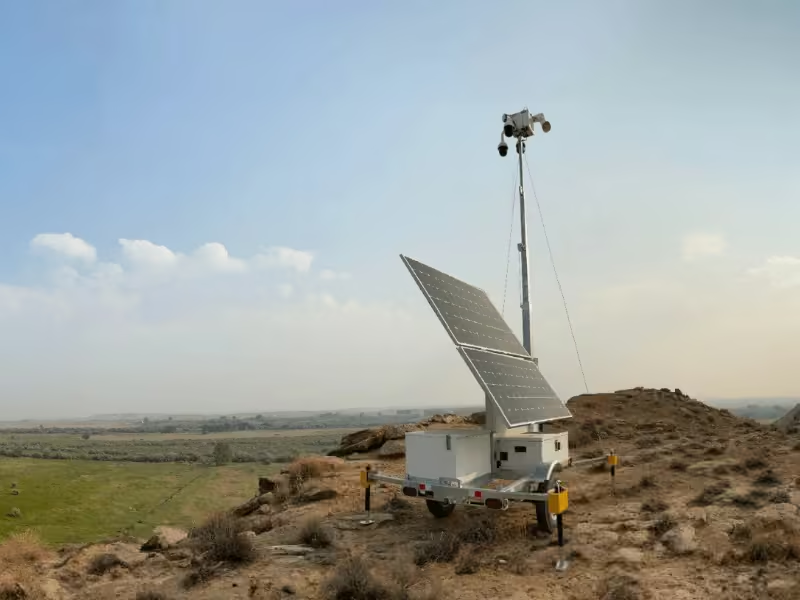
Solar cameras provide reliable, cost-effective security where traditional wired systems are impractical or too expensive. Rapid deployment, mobility, sustainability, and advanced threat detection keep you one step ahead of bad actors. Lose the plug without losing peace of mind.
Securing a remote site, empty lot, or vacant property can feel daunting, maybe even impossible. You know you need cameras, but there’s one (pretty big) problem: no power.
Traditionally, that meant expensive trenching, running electrical lines, waiting on permits, and spending weeks—or even months—getting a security system up and running. By the time everything is installed it has cost you thousands of dollars. Ouch.
Solar cameras have become incredibly popular in the security industry, powering locations that don’t have easy access to the grid without breaking the bank. Whether you’re securing a construction project, retail parking lot, utility substation, or remote storage yard, solar technology makes professional-grade security possible virtually anywhere.
What Is a Solar Camera?
A solar camera is a camera system powered primarily by energy collected from the sun. Instead of using traditional electrical infrastructure, these systems use solar panels to generate electricity, which is stored in batteries.
The result is a self-contained system that can include:
- High-definition cameras
- Artificial intelligence analytics
- Motion detection
- Remote monitoring
- Audio alerts
- Floodlights
- Cellular connectivity
- Real-time alerts
In many cases, these systems provide the same capabilities as traditional wired security systems without the infrastructure headaches.
How Does a Solar Powered Camera Work?
During daylight hours, a solar panel camera captures energy from the sun (even on cloudy days) and converts it into electricity. That electricity is stored in internal batteries. When the system needs power, it draws energy from the battery bank, allowing it to operate around the clock, even after sunset.
A typical solar powered camera system includes four main components:
1. Solar Panels
The solar panels collect sunlight and convert it into usable electricity.
2. Battery Storage
Battery systems store excess power generated during the day so the camera can continue functioning at night, or during overcast or stormy weather.
3. Camera Equipment
This includes the cameras themselves, as well as any sensors, lights, speakers, or AI-powered analytics systems.
4. Connectivity
Most commercial systems use cellular networks to send footage and alerts. No need for internet cables or hardwiring.
Why Businesses Love Solar Cameras
Solar-powered surveillance offers:
Fast Deployment
Traditional security cameras often require trenching, electrical permits, and contractors—a process that can take weeks or months. A solar camera, on the other hand, can often be deployed in hours.
Lower Installation Costs
Running power lines is expensive, averaging between $5 and $25 per linear foot. (For a typical 500-foot run, expect to pay between $4,000 and $20,000.) In many cases, the infrastructure costs exceed the cost of the cameras themselves.
Solar-powered systems don’t need the cord, saving you thousands of dollars.
Mobility
One of the biggest advantages of solar security is flexibility. Unlike fixed cameras mounted to permanent structures, solar-powered systems can be relocated as needs change making them ideal for:
- Construction projects
- Retail parking lots
- Utility sites
- Outdoor events
- Vacant properties
- Transportation hubs
Sustainability
Companies are increasingly focused on environmental goals. A solar powered camera helps reduce energy consumption while still providing world-class security coverage. Plus, commercial-grade solar cameras are built to withstand rain, snow, heat, wind, and dust. Battery banks provide multiple days of backup power even during multiple days of poor weather.
That means a properly designed solar system can continue operating through cloudy days, storms, and seasonal weather changes.
Solar Security Powered By AI
The newest generation of solar surveillance thinks. Systems equipped with artificial intelligence analyze activity in real time. Instead of generating endless alerts, AI-powered cameras can distinguish between people, vehicles, animals, and actual suspicious behavior.
With fewer false alarms, security teams focus on genuine threats. For example, an AI-powered solar camera might:
- Detect loitering
- Identify perimeter breaches
- Flag suspicious behavior
- Trigger audio warnings
- Activate lights
- Notify remote monitoring teams
All within seconds! This shift from passive recording to proactive deterrence is one of the biggest reasons organizations are upgrading their security programs.
Choosing the Best Solar Camera
Not all systems are created equal. If you’re evaluating options, look beyond the camera itself. The best solar powered security camera offer more than just video recording:
- Battery capacity: The system should be able to operate during extended periods of cloudy weather.
- Video quality: Look for high-definition footage capable of identifying people and vehicles clearly.
- Connectivity: Cellular connectivity is often preferable for remote locations where internet access is limited.
- AI analytics: Smart detection capabilities reduce false alarms and improve response times.
- Remote monitoring: Professional monitoring services means alerts get immediate attention.
- Scalability: As your security needs grow, your system should be able to grow with you.
Common Questions About Solar Cameras
Do solar cameras work at night?
Yep! Panels charge batteries during the day, allowing cameras to operate around the clock.
What happens when it’s cloudy?
Battery reserves keep cameras operating even when skies are gray.
Are solar cameras outdoors reliable?
Yes! Commercial-grade systems are highly reliable when properly designed and maintained.
Are they secure?
Absolutely. Many systems include encrypted communications, secure cloud storage, and advanced cybersecurity protections.
Security Without Limits
Businesses like yours want solutions that are:
- Faster to deploy
- Less expensive to install
- Easier to relocate
- More sustainable
- Smarter and more proactive
In other words, you want a solar camera.
Whether you’re protecting a construction project, monitoring parking lots, securing critical infrastructure, or safeguarding a vacant property, solar cameras offer a flexible, scalable solution that works where traditional systems can’t.
The sun rises every day. Put it to work! Learn how by contacting LVT for a free demo today.
%20(1).avif)
%20(1).avif)
%20(1).avif)
