LVT vs. Pro-Vigil: Choosing the Best Mobile Surveillance Strategy
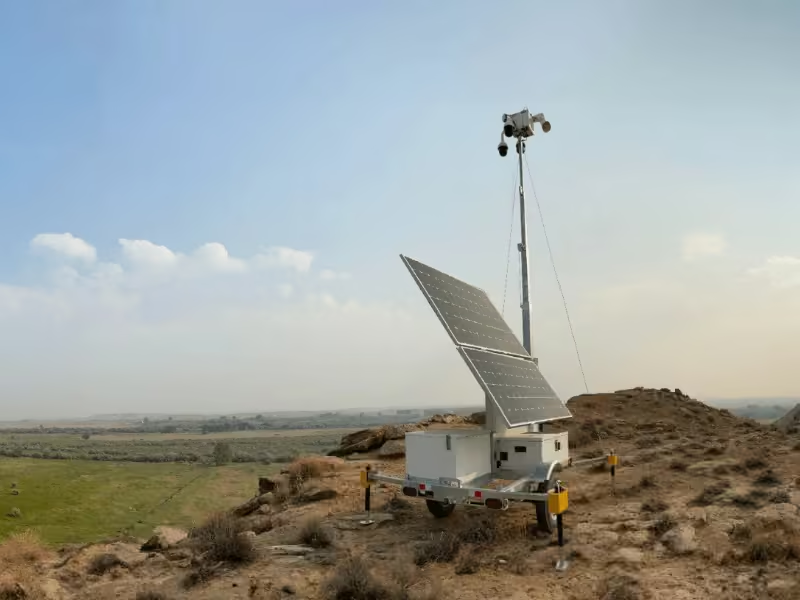
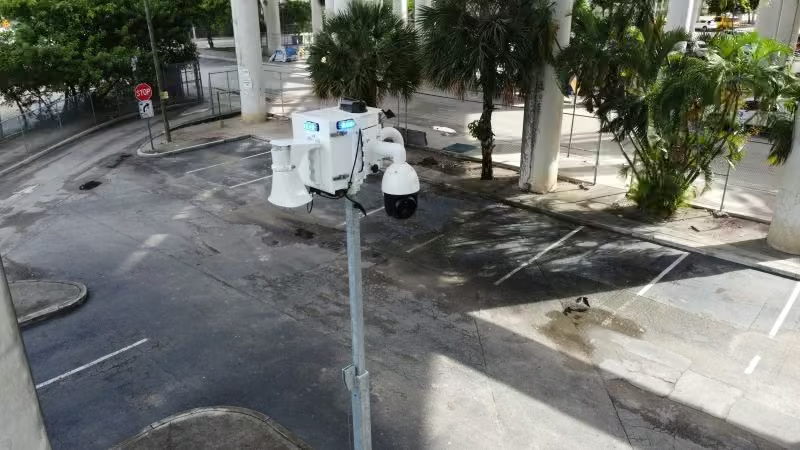
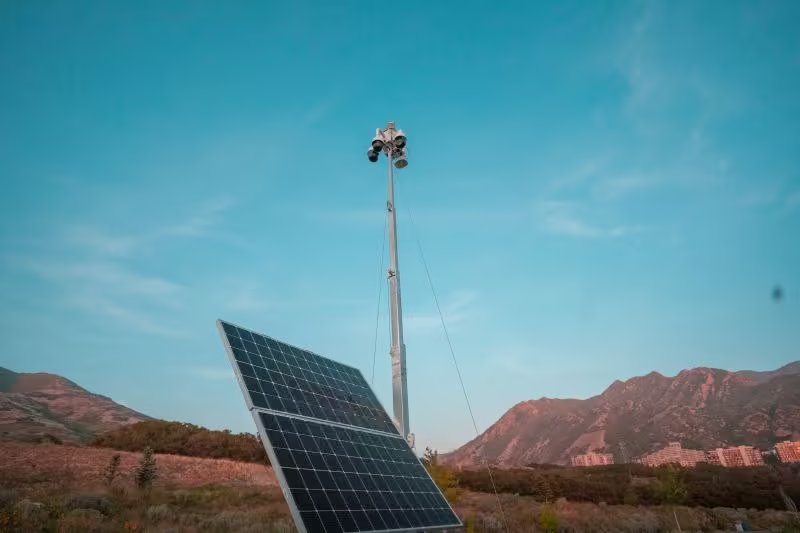
This is a side-by-side comparison of LVT and Pro-Vigil, highlighting two different approaches to mobile security.
Selecting a mobile security partner often comes down to a choice between two different operational models: a hardware-first, integrated technology approach versus a service-first, monitoring-intensive model.
Third-Party Analysis on Mobile Surveillance
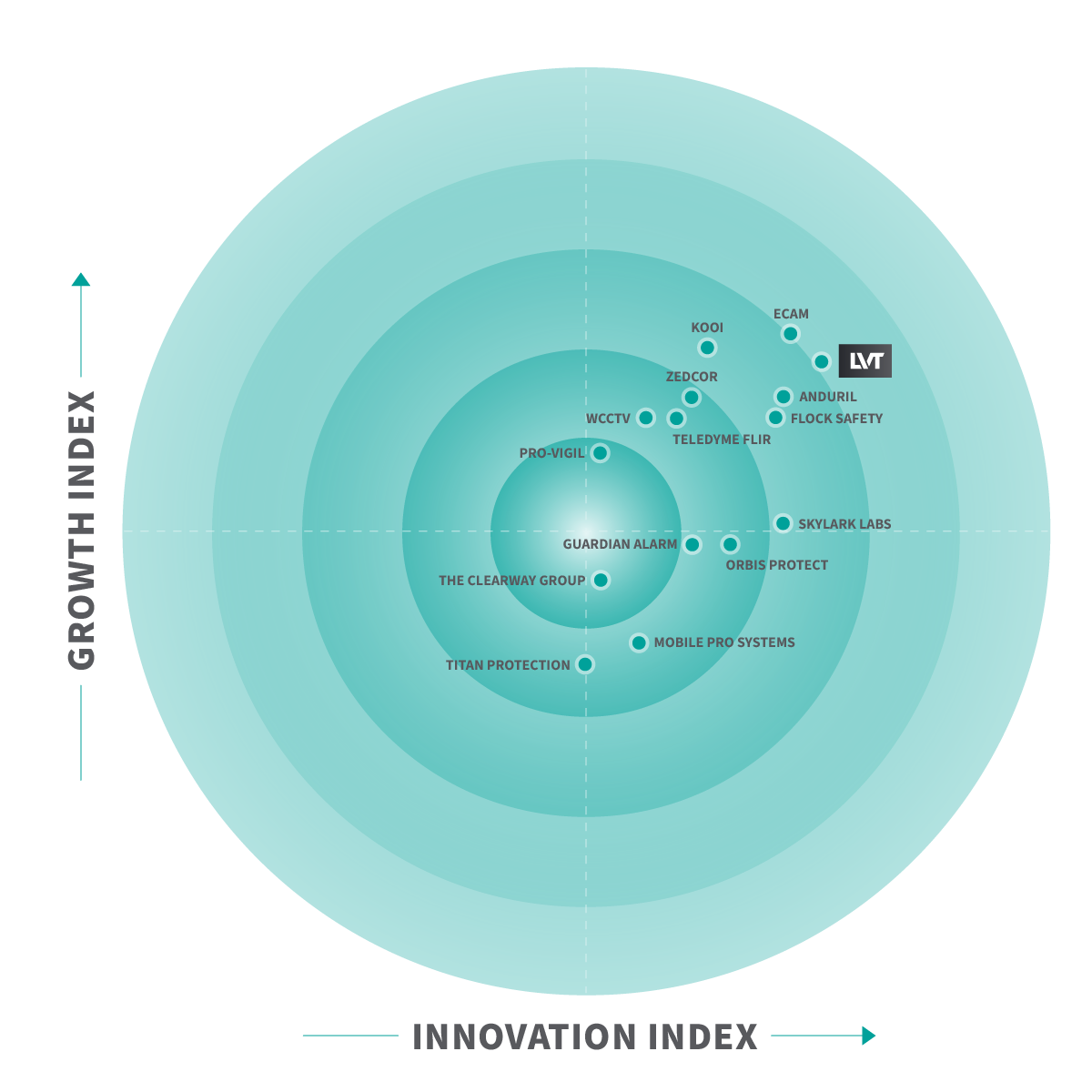
Frost and Sullivan, an independent company that specializes in market research and analysis, named LVT as a leader in innovation in the mobile surveillance industry. Frost and Sullivan’s work is focused exclusively on identifying the growth opportunities of the future and evaluating companies that are best positioned to take advantage of them. Read the full report to find out why LVT is the best-positioned provider to scale operations and meet your evolving security needs.
At‑a‑Glance: Key Differences
While LiveView Technologies (LVT) and Pro-Vigil both offer mobile surveillance units (MSUs) for remote sites and large properties, they prioritize different aspects of the security chain. This guide breaks down the differences between their hardware, software, and monitoring.
Hardware and Power
The most significant engineering difference lies in how these units are powered and built.
- LVT: Manufactures its own hardware designed for off-grid use. It prioritizes a solar first architecture supported by a solid-state fuel cell.
- Pro-Vigil: Typically acts as a solution integrator. Their power systems generally rely on larger battery banks and traditional solar setups, which may require more frequent physical check-ups.
Software: Proprietary Platform vs. IP Hosting
- LVT: Uses a proprietary VMS built to be trailer-aware.
- Pro-Vigil: Provides an interactive dashboard, but relies on IP camera hosting and third-party software.
Monitoring: Agentic AI vs. Virtual Guards
- LVT: LVT uses agentic AI to analyze behavior and trigger deterrents (lights, sirens, voice) instantly.
- Pro-Vigil: They use AI to sort footage, but their model leans more heavily on remote guards who assess threats. Pro-Vigil claims an average response time of around 18 to 24 seconds to trigger deterrents once an alert is generated.
Connectivity and Network Integrity
- LVT utilizes a proprietary, private cellular network. This means video data never routes over the public internet.
- Pro-Vigil units often use commercial cellular networks or require a dedicated business-class broadband connection for fixed setups.
Buyer’s Guide: Why Choose LVT for Mobile Surveillance
- Pick LVT if: Your site demands resilience (weak network, extreme cold) or requires proactive security (thermal vision, AI deterrence, multi-color strobes) and rapid, flexible deployment.
%20(1).avif)