LVT vs. Mobile Pro Systems: Which Mobile Surveillance Solution Wins?

Compare LVT and Mobile Pro Systems to find the best mobile surveillance unit for your site's security needs.
When selecting a mobile surveillance unit (MSU), the choice often comes down to the underlying architecture of the system. While both LiveView Technologies (LVT) and Mobile Pro Systems (MPS) provide towable security units, they utilize different power and software.
Third-Party Analysis on Mobile Surveillance
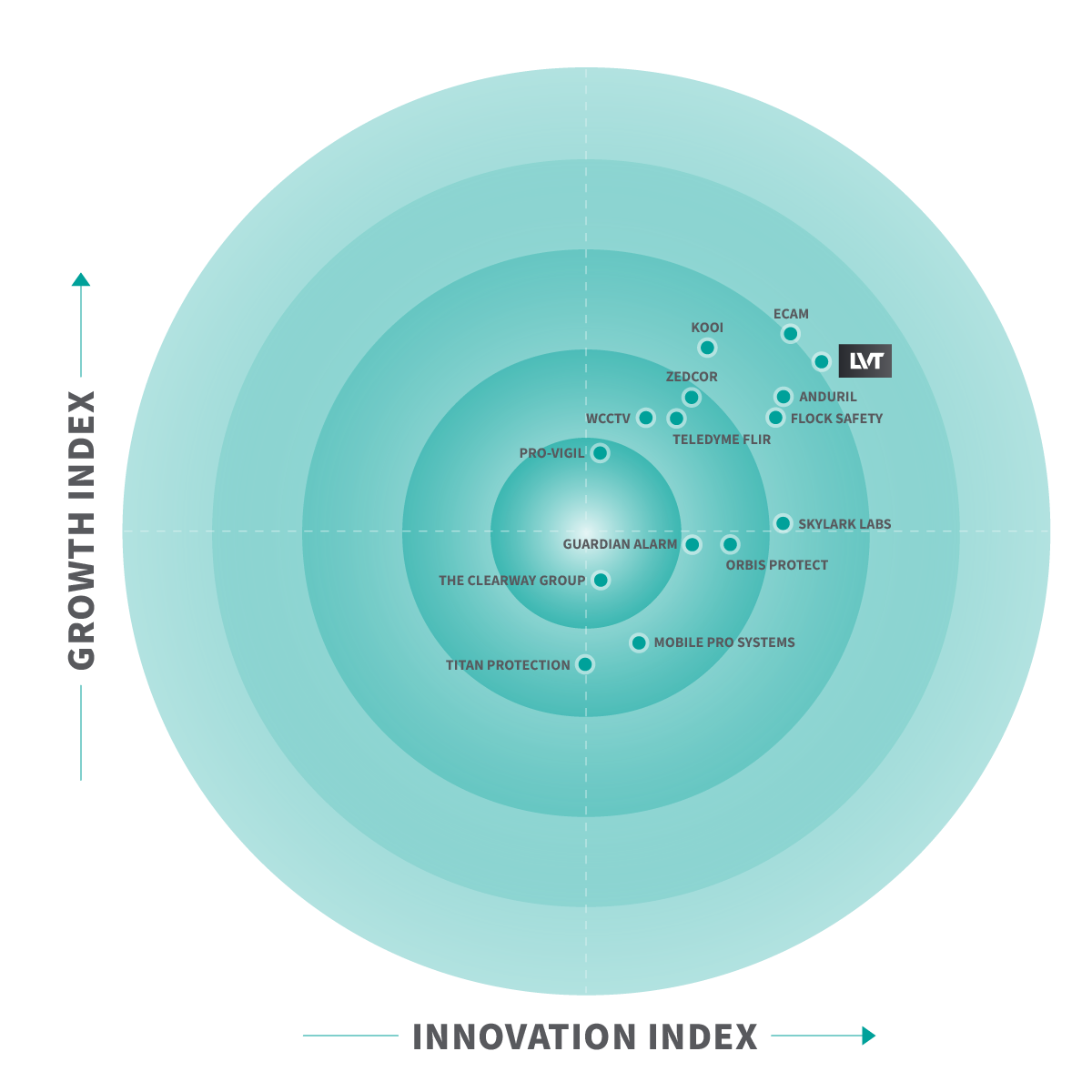
Frost and Sullivan, an independent company that specializes in market research and analysis, named LVT as a leader in innovation in the mobile surveillance industry. Frost and Sullivan’s work is focused exclusively on identifying the growth opportunities of the future and evaluating companies that are best positioned to take advantage of them. Read the full report to find out why LVT is the best-positioned provider to scale operations and meet your evolving security needs.
At‑a‑Glance: Key Differences
This comparison outlines the technical specifications and operational requirements of both systems based on available product data.
Power Architecture and Sustainability
The core engineering difference lies in power consumption and management.
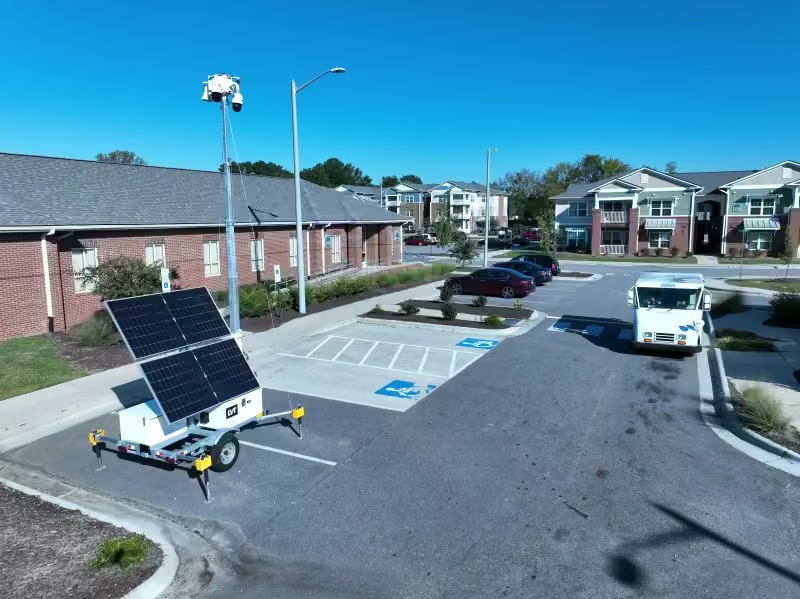
- LVT: LVT Units run primarily on solar power. For low-sunlight environments, LVT uses a fuel cell.
- MPS: Because MPS units are designed to support a laptop and third-party servers inside the trailer, they have a higher power draw. To maintain their battery bank, they rely on a gas or diesel generator.
Software: Proprietary vs. Integrated
- LVT: LVT developed its own VMS specifically for mobile, off-grid hardware. This allows for native MSU-specific features like camera presets, time-lapse, and remote battery health monitoring to be viewed in a single dashboard.
- MPS: Mobile Pro Systems acts as a "power platform" that can host industry-standard VMS like Genetec, Milestone, or Exacq.
Reliability and Hardware Design
- LVT: LVT Units use integrated, solid-state electronics.
- MPS: MPS typically installs a ruggedized laptop or rack-mount PC inside the trailer to run the VMS.
Proactive vs. Reactive Deterrence
- LVT: Uses agentic AI to trigger a multi-layered response.
- MPS: While equipped with sirens and floodlights, these are often reactive. Because they use third-party software, deterrents typically require an operator or a complex third-party analytic trigger to activate.
Buyer’s Guide: Why Choose LVT for Mobile Surveillance
- Pick LVT if: Your site demands resilience (weak network, extreme cold) or requires proactive security (thermal vision, AI deterrence, multi-color strobes) and rapid, flexible deployment.