Paris Didn’t Use Intelligent Site Security…and it’s Not Louvre-ing the Result
A bold heist at the Louvre Museum revealed the consequences of outdated security systems and the urgent need for intelligent site security. Today’s threats require more than just cameras—they demand AI-powered tools that can predict, detect, and respond in real time. Intelligent security empowers organizations to protect people, property, and profits with systems that think ahead.
It took just eight minutes for one of the most iconic museums in the world to suffer its boldest theft in decades. In October, a crew of masked criminals used a furniture lift, disc cutters, and high-visibility vests to pose as construction workers, breach the Louvre’s south balcony, and steal eight pieces of the French Crown Jewels from the Galerie d’Apollon.
Fleeing on scooters along the Seine, the thieves disappeared with over $100 million in stolen artifacts. The museum was open. The alarms were working. But without intelligent site security, none of it mattered.
Within a week, multiple suspects were arrested, but the damage was done. It was the Louvre’s first major theft since 1998 and a wake-up call to institutions everywhere: If the Louvre can be hit, anyone can. In an era of evolving threats, visibility alone isn’t enough. It’s time for security that sees, thinks, and acts in real time.
Intelligent site security is more than surveillance cameras and alarms. It's the integration of smart technology, AI-driven analysis, and proactive response strategies that transform security from a static cost center into a dynamic source of insight, efficiency, and resilience.
A Smarter Way to Stay Safe
So what does intelligent site security actually look like?
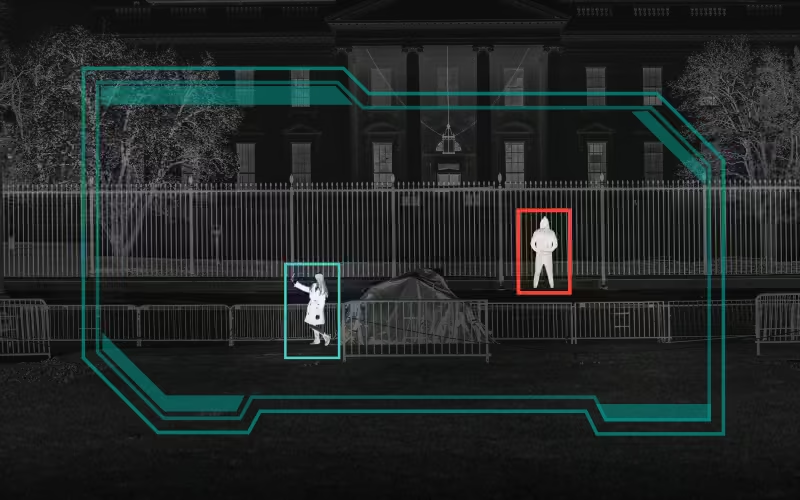
Imagine a system that doesn't just watch but understands. It knows the difference between a delivery truck and a suspicious vehicle circling the lot. It alerts the right people in real time when a gate is left open or a heat spike indicates machinery failure. It learns from past incidents and gets smarter over time, preventing future challenges before they crop up.
We're already seeing it in action:
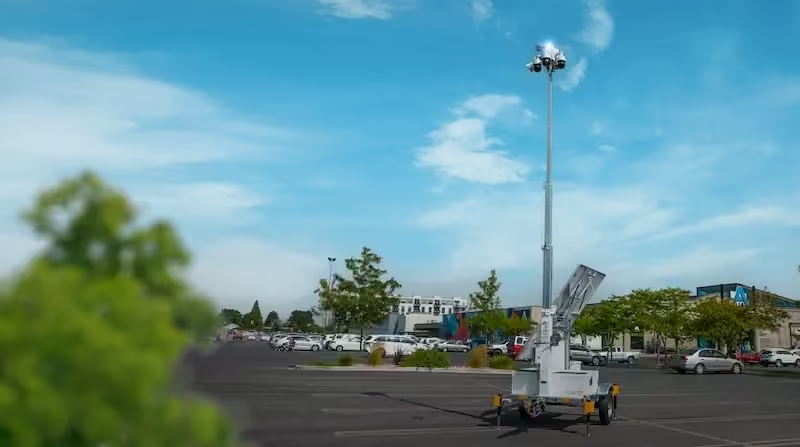
- Retailers using smart surveillance towers to prevent theft and loitering
- Critical infrastructure operators detecting environmental hazards through thermal imaging.
- Construction sites monitoring PPE compliance and equipment status with AI.
- Corporate campuses coordinating emergency responses with real-time geolocation data.
In every case, intelligent security thinks ahead instead of merely reacting. And that shift from reactive to predictive is only possible when innovation isn’t an afterthought, but at the forefront of how an organization thinks and operates.
The Innovation Mindset
To get the most from intelligent site security, companies must build a culture of foresight. That means empowering teams to think beyond "what happened" and start asking "what could happen next?"
It starts with data. Intelligent security systems generate an enormous amount of it—from foot traffic patterns to access control logs to environmental readings. When organizations treat that data as valuable business intelligence (not just "security stuff"), they uncover new ways to improve facility management, enhance the customer experience, even reduce liability.
This mindset also extends to how teams collaborate. Security shouldn't sit in its own silo. Cross-functional collaboration between security, operations, IT, and facilities allows insights from intelligent security to benefit the entire organization.
When everyone—from the C-suite to frontline staff—sees security as a shared strategic priority, innovation becomes second nature.
Predicting Future Risks with Today’s Technology
The security risks of tomorrow won’t look like the risks of today. The pace of change (technological, environmental, societal, etc.) means threats are emerging faster and with greater complexity.
Intelligent security gives organizations the tools they need to adapt. But more importantly, it gives them the visibility and foresight to plan ahead.
Foresight isn’t just about prediction—it’s about preparation. Leaders who prioritize innovation within organizations will be the ones best equipped to navigate uncertainty, respond with agility, and seize new opportunities in a rapidly evolving world.
The shift from traditional security to intelligent security doesn’t happen automatically, though. It takes leadership, communication, and a clear vision for the future.
Here are a few ways organizations can make the transition smoother:
1. Start small, scale fast. Begin with pilot programs that demonstrate immediate ROI (like preventing theft or reducing human guard costs). Use those wins to build momentum.
2. Train with context. Security teams need to know how to use a platform, but, more importantly, they need to know why it matters. Show them how intelligent security connects to bigger goals.
3. Share success stories. Celebrate the moments when proactive alerts prevented a major incident or when data from the system informed a smarter business decision.
4. Involve the right stakeholders. Bring facilities, legal, HR, and IT into the conversation early. The more buy-in across the organization, the more effective the rollout.
5. Don’t stop iterating. The beauty of intelligent security is that it gets smarter over time. Similarly, innovation within organizations is never “one-and-done.” It’s a continuous process of asking, "How can we do this better?"
The Human Side of Smart Security
It’s easy to focus on all the technology, but at the end of the day, intelligent site security is about people.
It’s about giving employees peace of mind during their overnight shift. Helping store managers focus on service instead of safety concerns. Giving maintenance crews the data they need to do their jobs more efficiently. Ensuring emergency responders have a full picture when seconds matter most.
Innovation means more than faster tech. It means better support for the people who keep your organization running.
Yes, intelligent security means responding to incidents before they escalate and identifying trends that reveal new threats. In other words, cultivating a culture of foresight where security isn’t a wall, but a window into what’s ahead.
Intelligent security exists to keep your people safe.
Ready to Enjoy All the Perks of Smarter Security?
The Louvre heist became a high-profile embarrassment for Paris because it was a preventable one. Despite alarms and guards on-site, the absence of intelligent security left critical blind spots that the thieves exploited in minutes. (It also probably helps to make your security password not "Louvre," but we digress.)
Had the museum deployed AI-powered systems capable of identifying unauthorized entry patterns, detecting anomalies in access points, or initiating real-time deterrents, the story might have ended differently. The jewels would still be safe and snug in the Apollo Gallery instead of MIA. That’s the difference between surveillance and strategy. And it’s exactly why forward-thinking organizations are making the shift now before they're the next cautionary tale.
Security isn't just about catching bad guys anymore. It's about staying ahead of them. In an age of growing threats, tighter budgets, and increasingly complex operations, businesses can no longer afford to treat security as a reactive checklist. The future belongs to organizations that can anticipate, adapt, and evolve their defenses before an incident ever occurs.
No matter what kind of site you manage—from retail to utilities to logistics to healthcare—intelligent site security is for you. It’s the key to protecting your people, your operations, and your future as a company.
And it starts with a willingness to think differently.
%20(1).avif)
%20(1).avif)