Storage Unit Theft: How Often Break-Ins Happen & How to Prevent Them
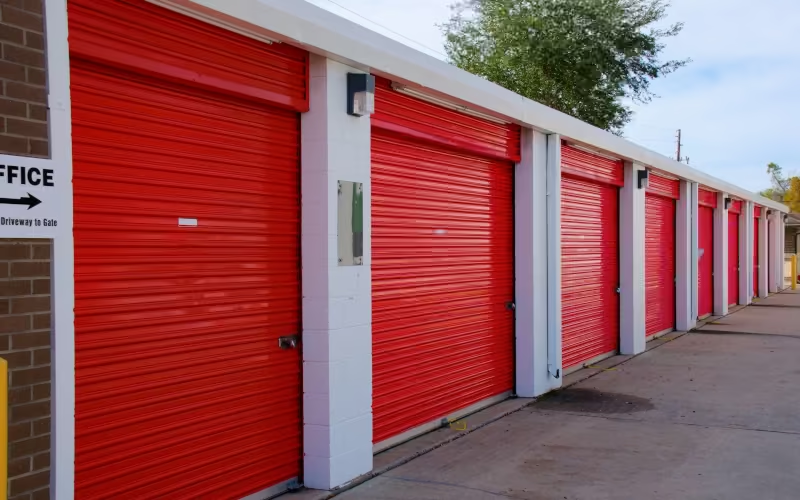
Storage facilities are prime targets for crime due to their high-density of valuables and design flaws like poor surveillance. Threats include large-scale burglaries and insider theft. Effective security solutions, such as access control, 24/7 video surveillance, and deterrent lighting, help prevent and investigate crime. Investing in these systems protects both owners and renters by building customer trust, reducing financial losses, and ensuring compliance.
Whether moving to a new home or just needing a place to stash holiday decorations, storage facilities are a convenient solution for keeping your belongings safe.
Storage units see their fair share of the unexpected, from family heirlooms to forgotten treasures, and yes, even the occasional bizarre—or even gruesome—discovery, like the Lancaster County, PA, unit which was found housing a crocodile, or the New York unit filled with dead cats.
Unfortunately, these facilities also see their fair share of crime. From large-scale burglaries to insider theft, storage units face multiple security risks. In this article, we’ll explore why storage facilities are common targets, the types of theft that occur there, and how implementing storage facility security systems can help minimize risks.
Why Storage Facilities Are Prime Targets for Suspicious Activity
Storage unit break-ins are more common than most renters assume: one California investigation documented 56 break-ins across just 38 facilities in two years, and many thefts go unnoticed for weeks because units sit unattended. There is no comprehensive national statistic—which is exactly why facility-level security matters. Facilities with layered protection (access control, 24/7 monitored cameras, deterrent lighting, unit-level locks and alarms) see dramatically fewer incidents than those relying on gates and goodwill.
The Anonymity Factor
Storage facilities typically have dozens of renters coming and going around the clock. This makes it easier for criminals to blend in, especially during busy hours. Someone walking purposefully with a moving dolly rarely raises suspicion, even if they're not a legitimate tenant.
Large-Scale Thefts
Storage facilities often store high-value items, making them appealing targets for criminals. One example is a Union County man who stole more than $150,000 worth of valuables from multiple storage units. Another example is Christopher Cline, who lost his prized video game collection worth approximately $65,000 when thieves broke into his unit, ransacked it, and even replaced the lock before leaving.
Often Left Unattended
Unlike homes or businesses that typically have regular occupants, storage units are often left unattended for extended periods. Tenants may go weeks or months without checking on their belongings. This lack of frequent supervision means that theft can go unnoticed for an extended time, giving criminals ample opportunity to break in, remove items, and get away without immediate detection.
Design and Accessibility Vulnerabilities
Many storage facilities are designed for customer convenience, featuring multiple entrances, exits, and drive-up units. While these features make access easier for renters, they also create multiple vulnerabilities. Without proper surveillance or monitoring at all access points, criminals can exploit weak spots to slip in and out unnoticed.
Insider Threats
Not all security threats come from the outside. Employees or individuals with insider knowledge of facility operations can pose a significant risk, either by directly stealing from units or providing information to criminals about which ones contain valuable items.
Storage Facility Security Solutions and Features to Consider
By implementing a combination of strategic security measures, facility owners can better protect tenants’ belongings and deter unwanted activity. Here are some solutions and features to consider.
1. Access Control Systems
By restricting entry to authorized individuals, access control systems prevent unauthorized access and reduce the risk of theft. These solutions may include:
- Electronic keypads or card readers that require unique codes or credentials for entry.
- Biometric scanners that use fingerprints or facial recognition to verify identity.
- Time-based access restrictions that limit entry to specific hours.
2. Remote Monitoring Capabilities
Physical security staff can't be everywhere at once, but remote monitoring systems can. LVT’s mobile security solutions allow personnel to keep an eye on every corner of the facility from a central location—or even from a mobile device. High-definition cameras with night vision capabilities provide clear video footage 24/7, and AI-powered analytics can help identify suspicious behavior, such as someone lingering too long near units.
3. Unit-Level Protection: Better Locks and Unit Alarms
Facility-wide systems deter intruders, but each unit is only as strong as its lock. Encourage (or require) disc or cylinder locks, which resist bolt cutters far better than padlocks, and consider individually alarmed units that alert staff the moment a door opens outside authorized hours. Unit-level alarms also address the hardest threat to catch: thieves who enter as legitimate renters.
4. Deterrent Lights
Motion-activated deterrent lights are an effective way to prevent theft—no criminal wants to be caught, and good lighting makes their chances of being seen significantly higher. With LVT® Units, your security lights can be controlled directly from the LVT® Platform, so no matter where you are in the world you can get rid of the shadows on your property and ensure criminals have no place to hide.
5. Instant Alerts
Knowing that something went wrong at your facility isn’t super helpful if you find out days after the fact. LVT’s storage security systems send you instant alerts, so you know the second something takes a turn for the worst. These systems can even send alerts to third-party monitoring services or law enforcement. This allows for rapid responses, minimizes damage, and increases the chances of apprehending suspects.
3 Benefits of Storage Facility Security Systems
In addition to the obvious reduction of crime, investing in storage security systems offers numerous benefits for both facility operators and customers. Here are some of the most significant advantages.
1. Enhanced Customer Satisfaction
Customers trust storage facilities to protect their valuable property. By making your facility more secure, you demonstrate your commitment to safety, which fosters trust and loyalty among clients and can give you a significant competitive edge.
2. Reduced Financial Losses
Theft can result in substantial financial losses for both customers and facility operators. Security systems minimize these risks by preventing unauthorized access and providing evidence to recover stolen items.
3. Compliance
Many storage facilities are required to meet specific security standards to operate legally. Security systems can help facility owners comply with these regulations and avoid legal issues. You may even find that your facility qualifies for lower insurance premiums after upping your security game, as you’ll be considered a lower-risk property.
Storage Facility Security FAQs
How often do storage units get broken into?
No national database tracks it, but local investigations suggest it's far from rare. One California review found 56 break-ins across 38 facilities in two years. Because renters may not visit for months, break-ins are also chronically under-detected and under-reported.
Are storage units safe from theft?
They can be. Safety varies enormously by facility. Look for gated access control with individual entry codes, 24/7 monitored cameras (not just recording), bright motion-activated lighting, on-site or remote monitoring staff, and individually alarmed units. A facility that invests in layered security is a categorically different risk than one with a shared gate code and a dome camera.
What should you do if your storage unit is broken into?
Don't move anything yet. Photograph the unit and damage, report it to facility management and ask for camera footage, file a police report, then file a claim with your insurer (homeowner's/renter's policies or the facility's tenant insurance may apply). An inventory list with photos makes claims dramatically easier.
What is the best lock for a storage unit?
Disc locks and cylinder locks are the standard recommendation—their shrouded shackles resist bolt cutters, the most common break-in tool. Pair a good lock with a facility that has monitored cameras and alarmed units; a lock alone only slows a determined thief.
Secure Your Facility with LVT
Without 24/7 oversight, your facility could be vulnerable to theft, damage, and more. A continuous monitoring solution with advanced features like deterrent lighting, instant alerts, and more, is the key to prevention.
Ready to protect your customers’ belongings, maintain your facility’s reputation, and stay one step ahead of criminals? Request a demo today and see how LVT can help you create a safer, more secure storage environment.

%20(1).avif)