
The Bradshaw Collection
A Curated Approach to Security Partnerships

It takes a village to run a modern business, and not just the employees inside its walls. Today’s businesses thrive when they are connected to the communities around them. For Mark Bradshaw at DLC, bridging the gap between private enterprise and public safety isn’t a line item in a budget or a box to check. It’s a deliberate investment in relationships that strengthens both security and community trust.
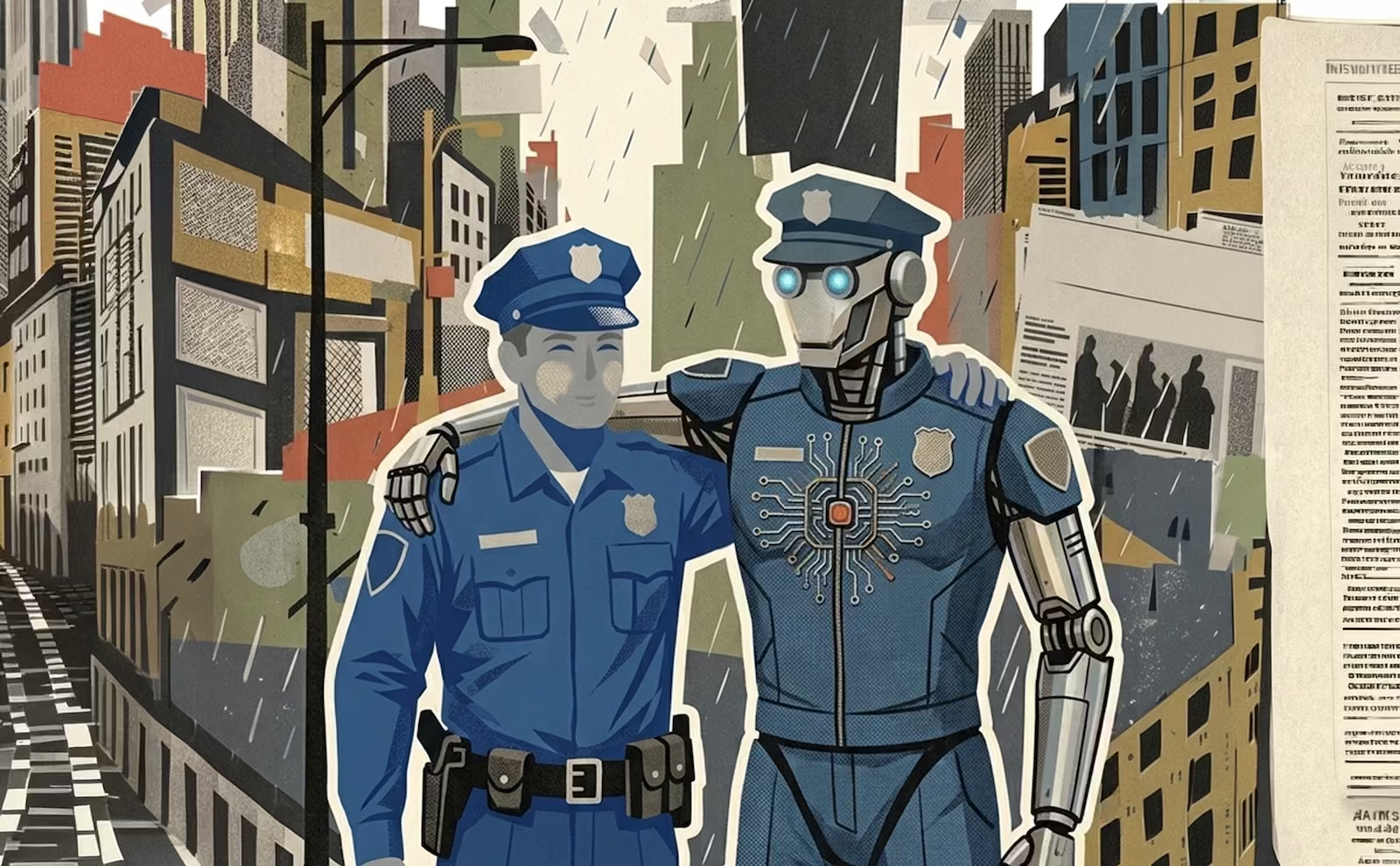
For Bradshaw, relationships start long before a 911 call for help or a crisis with his tenants. Instead, they begin with a simple handshake and introduction, a shared business card, and a commitment to ongoing communication. By blending proactive engagement with cutting-edge technology, Bradshaw has proven that when businesses view themselves as part of a community, public safety becomes a shared—and highly successful—mission.
Starting Before the Sirens
Bradshaw is currently the Vice President of Property Management at DLC, a commercial real estate group that owns and operates shopping centers across the U.S. His focus throughout his career has been building public and private relationships, including his current position at DLC.
“At the end of the day, it’s about putting in the time to build relationships,” he said. Early in his career, Bradshaw made it a habit to introduce himself to officers patrolling the properties he managed. “When I see an officer at the shopping center, I thoughtfully approach them with one of my business cards,” said Bradshaw. “I identify myself, give them a handshake, and go on my way. Most of the time, they will be very welcoming of the engagement.” Rather than waiting until he needed assistance, it was critical to establish connections before issues arose.
Bradshaw and his team at DLC even go another step further and host meetings with local law enforcement. “We have quarterly meetings with officers to continue to grow the relationship and officers from different districts and ranks attend,” said Bradshaw. The goal of these meetings is to keep their finger on the pulse of the community. They share with officers what they see on the ground while gaining insight into local concerns and trends from law enforcement. This creates a foundation of trust and collaboration making it easier to quickly coordinate when an issue does arise. “Police so often these days don’t get this type of engagement. It is so warmly received when a manager or company takes this initiative,” said Bradshaw.
Building Beats Reacting
What begins as a handshake often evolves into a highly effective information-sharing network. The relationships Bradshaw and his team cultivate allow security personnel and law enforcement to communicate directly, identify concerns early, and address issues before they escalate.
“When something happens, my team will reach out to the officer and report what they’re seeing. Traditionally, there is not always a close collaboration between police and private security,” said Bradshaw. “But my guards have the police officers’ numbers and vice versa. They are able to reach out and say ‘This is what I’m seeing’ and help them better police without calling 911 or dispatch.”
The police frequently reach out to Bradshaw’s teams. Sometimes if there is a crime nearby, police approach with a request. “They reach out asking if I have camera footage that I am willing to share,” he said. Other times it is to simply get an update. “We’ve experienced very robust engagement with this,” said Bradshaw. “We have calls from the guy on the street writing parking tickets, all the way up to the major who runs the district.”
Not Just Law Enforcement
But public engagement isn’t just about building relationships with local law enforcement. “We have HOAs and communities that routinely reach out to us,” said Bradshaw. “We’ve had situations where the county representative wanted to walk our shopping center. Or we reach out to police, community members, church leaders, and politicians to talk about different shopping centers and what needs to be improved.”
Frequently the feedback is constructive criticism. “Sometimes the feedback from the community is critical, but you listen to their concerns and take it to heart,” he said. “This is about a willingness to engage, take the criticism and feedback, and better the communities you are in.”
Bradshaw’s teams also ensure they build relationships with their tenants, third-party vendors, other employees, and even neighboring businesses. For example, at many DLC locations, guards are required to check in with the tenants multiple times per day.
Does it Work?
Is it worth the time and effort to reach out to others in the community? Absolutely. Having a good relationship with local law enforcement enables them to do their jobs better and increase retail safety for both customers and employees. When working with HOAs and their neighborhoods, Bradshaw states that they are asking for an increase in safety and security. “In some of these communities they have been asking for these changes. These are welcome changes. They like that they feel safer. They like that no one is trying to panhandle or intimidate them,” he said.
“It has already paid dividends that can be hard to quantify,” said Bradshaw. “One huge improvement reported by our own tenants is that of feeling safer and of feeling heard.”
Other ways are easy to track. “The easiest way to see if our approach is working is when it comes to renewal time, when the lease is expiring,” Bradshaw said. “That is the time where this proactive approach shines. Tenant retention is the name of the game. If the environment is such that they are not seeing the sales they need and can’t feel safe, they are going to go somewhere else.”
Is it Ever Too Much?
Bradshaw has never had someone tell him there is too much security. There are situations where landlords might fear adding additional security like armed and unarmed guards, mobile security units, or other security measures because they’re afraid it will scare away customers.
But Bradshaw disagrees. “Every center that we have is unique. Some don’t require any advanced security measures. This is a very subjective call and dependent on the neighborhood and necessity. Normally, for the areas where security may be needed, security additions are welcomed, and we know because we talk to people that are in that area daily.”
There are other ways to increase safety and security without installing more cameras, ways that can help ease landlords’ or HOA managers’ concerns. The best way is to simply make the area uncomfortable for the bad actors. Focusing on creating environments that naturally discourage unwanted activity through visibility, activity, and thoughtful property maintenance. “Try power washing, moving scaffolding, or have janitorial services throughout the day. Think outside of the box. Make it hard to hide and uncomfortable for [bad actors].”
The Right People Make All the Difference
Technology only works when the people behind it are the right fit. Bradshaw looks for guards who are trained to engage thoughtfully without escalating a situation. “In the center where adding security guards is appropriate, I want a team of guards who are not afraid to engage and who are not afraid to do it without throwing gasoline on the fire. That’s training and having the right security partner.”
When the right guards are in place, police will stop and talk. “They’re stopping to talk to the guards and asking, ‘What have you seen today?’” said Bradshaw. That kind of informal intelligence-sharing is only possible when trust has already been established, and trust is only possible when the people on the ground have earned it.
A Blueprint for Community-Centered Security
For Bradshaw, everything comes back to the principle of community. DLC operates shopping centers where people buy their groceries, take their kids shopping, and go out to eat. “More so than any place I’ve been, DLC embraces that we’re part of a community and we strive to create a welcoming environment where people feel safe,” he said.
That mindset demands a willingness to be uncomfortable. It means sitting across from HOA managers and neighborhood residents who have complaints, listening without being defensive, and making changes.
The blueprint Bradshaw has developed over his career is remarkably simple, but it requires consistency. Show up before the crisis, build the relationship before you need it, invest in training and technology, and never stop listening to the people you serve. “At the end of the day,” he said, “it’s about relationships—with the police, our tenants, our vendors, our security staff, and our next-door neighbors. Knowing your neighbors, being part of a community, building trust. It’s taking criticism, being able to pivot, and being committed to that.”
It’s an approach that transforms security from a reactive function into a community-wide effort—one built on trust, communication, and shared accountability.
For any property manager wondering where to start, Bradshaw’s advice is as simple as it gets. Start with a handshake with an officer doing their rounds, walk over, and extend your hand. The rest builds from there.
Get the Latest Articles
Unlock exclusive insights from the world of intelligent site management and proactive security. Subscribe to ELEVATE to get our latest featured articles, expert interviews, and tactical insights delivered right to your inbox.