The Problem with Piece-by-Piece Security
%20(1).avif)
Many sites rely on piece-by-piece security systems—legacy tools, one-off fixes, and disconnected platforms cobbled together over time. While they may check the boxes on paper, in practice they create blind spots, delays, and operational drag. This article breaks down the risks of patchwork setups and outlines what to look for in a total site security solution that actually works together, scales easily, and helps your team respond faster.
Mary Shelley’s Frankenstein is a cautionary tale about what happens when you stitch a bunch of random pieces together and call something complete.
In the story, Victor Frankenstein builds a living being out of individual parts, not stopping to consider how those pieces might (or might not) work together, or what ongoing responsibility will be required post-creation. The result is an unstable, unpredictable, and ultimately harmful creature.
A similar story plays out in the world of security far too often: Sites run on Frankenstein “systems” made up of legacy tools, temporary band-aids slapped on after specific incidents, and one-off purchases that seemed like a good idea at the time. While this patchwork approach usually isn’t intentional and is often based on good intentions, it creates a web of blind spots, delays, and vulnerabilities.
5 Cons of Piece-by-Piece Security Systems
1. Blind Spots
You can’t stop a crime you don’t see. Unfortunately, patchwork systems are notorious for what they don’t see. When your system is stitched together from a mix of cameras, platforms, and other security services, tools, and features, you’re not getting the clear view you need to ensure safety across your site (or sites). Even if each tool is doing its job, the lack of integration means you never get the full picture.
2. Slow Response Times
You might have footage, but without an integrated system that ties together video, alerts, access logs, and timelines, you’re left with a bunch of raw, jumbled data that’s difficult to act on. You get an alert from one system, but you can’t view the footage without logging into another. Then you have to open a separate system to trigger an alarm. By the time you know what happened and are ready to take action, the damage is done.
3. Busy Work
When your tools are disconnected, your personnel have to piece together clues, waste time troubleshooting and navigating new platforms, and manually review massive amounts of footage. This drains time, budget, and focus, and leads to fatigue. It creates the perfect storm for problems to slip through the cracks.
4. Inability to Scale
Piece-by-piece systems don’t scale. Every time you add a new tool to your fleet or expand to a new location, you essentially have to rebuild the wheel, sourcing new hardware, setting up new logins and permissions, training teams on slightly different protocols, and figuring out workarounds to make legacy tools work alongside newer ones. There’s no standardized playbook, no universal oversight, and no way to roll out updates or policies across all locations at once.
Inefficient Spend
Piecing together your security might seem like a good way to save money. You’re only paying for one piece at a time, so it’s less of an upfront investment. But the costs show up later in the form of downtime, duplicate systems, missed incidents, and hours of manual work. Add in the expenses of maintaining multiple platforms, training staff on different tools, and paying for features you’re not even using, and what originally seemed like an affordable setup actually becomes quite costly.
The Solution: Total Site Security
If the headaches above sound familiar, you’re not alone. A recent report surveying over 2,000 security professionals found that 78% are working with dispersed, disconnected tools, and 69% say that this kind of disjointed architecture creates moderate to significant challenges for their teams.
The solution to this fragmentation is unification. A total site security solution brings everything—security cameras, analytics, alerts, deterrents, and more—together.
What to Look for in a Total Site Security Solution
A fully integrated system should make your team faster, site (or sites) safer, and operations smoother. Whether you're reevaluating an existing setup or building from scratch, here are some security features to look for.
Centralized Control
Efficient security demands a single source of truth. Look for platforms that pull everything—camera feeds, alerts, deterrents, and analytics—into one dashboard so your team can respond in real time and say goodbye to the days of chasing down clues about what went wrong. And because your team can’t be on-site all the time, you should look for a platform that’s accessible from anywhere.
Reliable Hardware
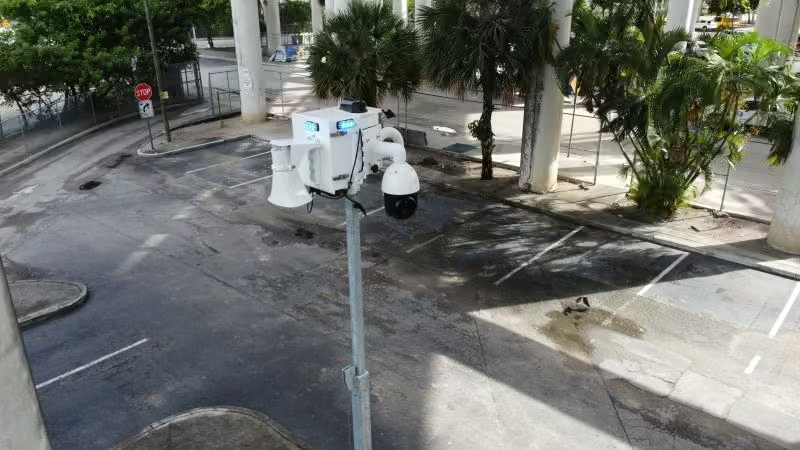
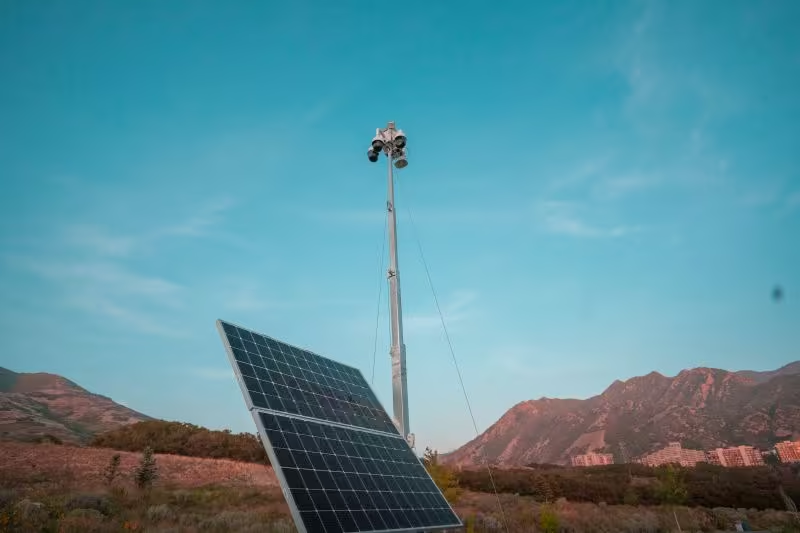
While CCTV cameras may have sufficed in the past, there’s a better, more modern solution now. IP security cameras transmit digital footage over a network, which means you get clearer images, easier remote access, and more reliable performance across multiple locations. Look for models that have infrared or thermal imaging capabilities, so you don’t lose visibility in dark or foggy conditions. And don’t forget about power and connectivity. Prioritize solar-powered solutions that use cellular connectivity (instead of Wi-Fi) so your security isn’t dependent on the power grid.
Built-In Deterrents
The only thing better than catching a criminal after a crime is deterring them before they act. Look for systems that offer built-in deterrents like strobe lights, floodlights, and loudspeakers. Bonus points if the system is powered by agentic AI and can trigger those deterrent features automatically so your team doesn’t have to.
→ Learn how LVT’s agentic AI helps teams stop drowning in alert fatigue.
Footage That’s Easy to Find
The right security solution makes it easy to search and review footage—across all of your locations—fast. For example, LVT’s forensic search allows you to type in a few keywords and instantly surface relevant clips. Delays are liabilities; make sure your team can move from incident to insight instantly.
Flexible Coverage
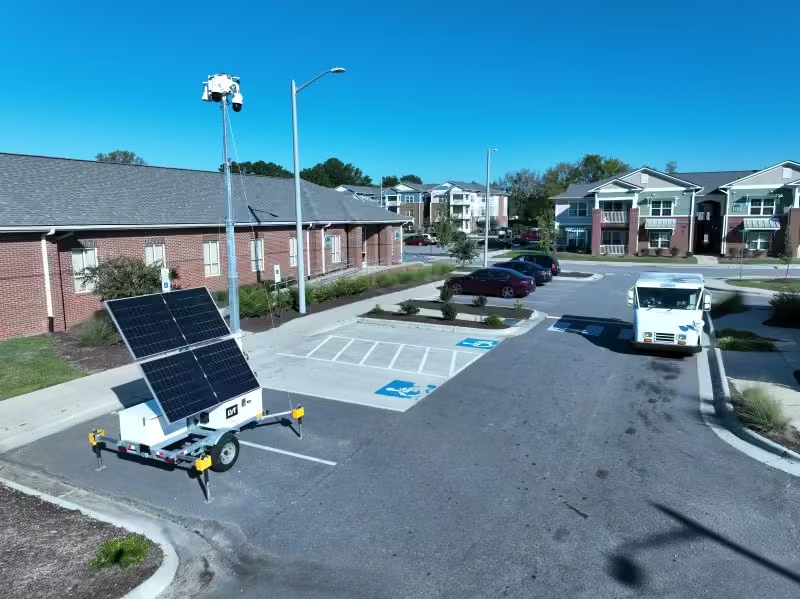
As your footprint grows or your needs change, you need your tools to keep up—otherwise, you’ll end up right where you started: with a disconnected system that does more harm than good. LVT’s mobile surveillance units are designed to scale and relocate with ease. Whether you’re securing a short-term event, rotating job sites, or expanding to new locations, our mobile units move and grow with you.
Stop Slapping Band-Aids on Broken Security
Temporary fixes might seem convenient at the moment, but they won’t hold up long-term. The longer you rely on pieced-together tools and quick-fix add-ons, the harder it becomes to see clearly, act quickly, and protect your people and property.
If your current setup is more of a collection of parts than a complete solution, we’re here to help. Schedule a demo to see how we can help you implement a total site security strategy that saves you time and reduces risk.