When the Camera Can't See, the Incident Still Happens
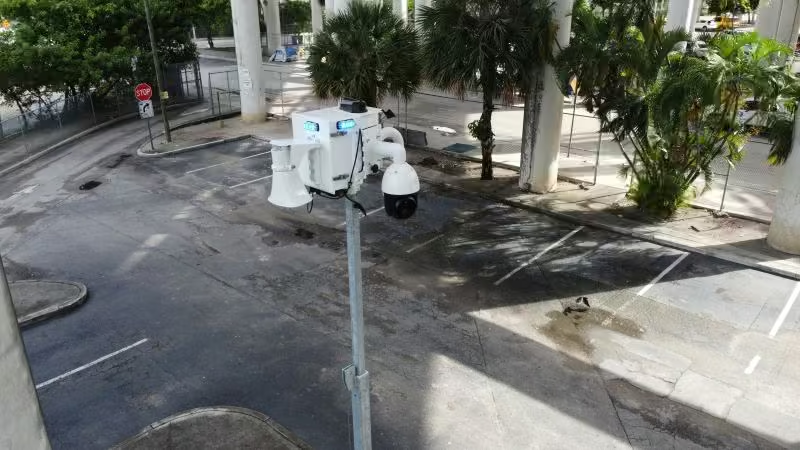
LiveView Technologies integrates the NDAA-compliant Axis bispectral PTZ camera into its mobile security units, providing public safety agencies with continuous thermal and visual surveillance in harsh environments without federal procurement obstacles.
Conventional cameras fail in the exact conditions incidents happen in—darkness, glare, rain, fog, smoke. The camera may be running but the footage isn't usable.
That's the visibility gap public safety agencies deal with at the sites they can least afford the gaps, including construction zones, disaster staging areas, remote infrastructure, and anywhere with no power, no network, and no case for building permanent infrastructure to watch a temporary problem. Visual sensors need light and clear air to work. Take those away and the camera is pointed at nothing.
Agencies spending federal dollars face a second constraint on top of that. NDAA procurement requirements rule out a large share of the thermal camera market, including most of the low-cost options that would otherwise solve the visibility problem. So the agencies with the most exposure—the ones running federally funded programs—often have the fewest compliant options for the coverage gap they're trying to close.
Extending a Proven Partnership
LiveView Technologies and Axis Communications have worked together across multiple product generations, integrating Axis optics directly into LVT's mobile security platforms. The introduction of this new camera builds on that established engineering partnership and shared history of reliability.
“Low-light coverage is a notorious challenge in security, especially when organizations balance their limited resources to establish a resilient security posture in any condition, day and night. LVT’s newest integration with Axis joins a portfolio of NDAA-compliant options so security leaders in any industry have comprehensive options to best meet their site needs,” said George Bentinck, Chief Product Officer at LVT.
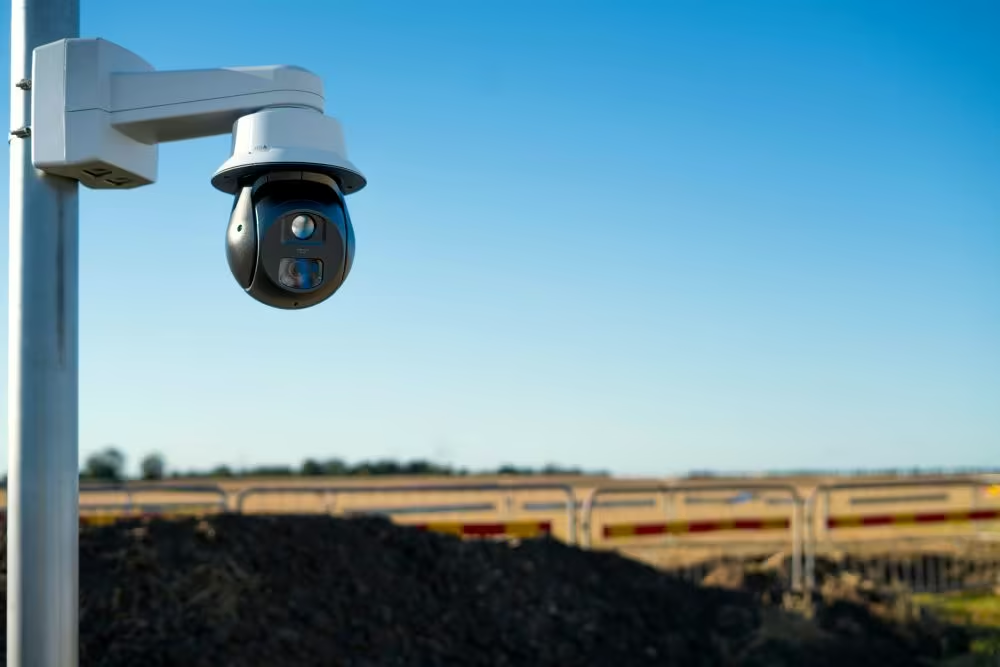
"Security teams protecting critical, remote, or temporary locations need dependable detection in challenging conditions, and every deployment must account for applicable compliance requirements. By integrating the AXIS Q6411-LE Bispectral PTZ sensor into its mobile surveillance platform, LVT gives teams a flexible way to extend coverage and assess activity where fixed infrastructure may not be practical,” said Dean Cunningham, segment development manager for public safety at Axis Communications.
The Camera: Axis Bispectral PTZ
The new addition from Axis, a bispectral pan-tilt-zoom camera, integrates into the LVT mobile security unit platform. "Bispectral" means it runs thermal and visual detection side by side—so when the visual sensor washes out from glare, darkness, rain, fog, or smoke, the thermal sensor is still reading a heat signature and still detecting threats. Conditions that blind one sensor don't blind the other.
Just as important for agencies spending federal money, Axis builds NDAA compliance into the new camera and the rest of its line—it's not a workaround layered on top. That means agencies don't have to choose between thermal detection and a clean procurement process, and they don't need a compliance exception or a waiver to get both.
LVT’s integration is unique—Axis’ sensor, deployed on a mobile, self-powered platform that goes to the sites where permanent cameras were never an option.
What It Changes
For an agency covering a remote site, a disaster response zone, or critical infrastructure with no fixed power or network, this closes two gaps at once. It closes the coverage gap that comes from bad conditions and the compliance gap that comes from federal procurement rules. Detection doesn't stop when the weather turns, and the paperwork doesn't stop the purchase either.
Running federally funded surveillance coverage and dealing with unusable low-light footage or an NDAA compliance wall? Talk to your LVT rep about getting a bispectral unit into your fleet. LVT expects to begin shipping mobile security units with the Axis bispectral PTZ camera in December 2026.