A Prescription for Safety: The Critical Role of Healthcare Facility Security

Healthcare facilities face rising security risks, from workplace violence to theft of medical assets. LVT helps close gaps with real-time visibility, AI-powered monitoring, and flexible mobile surveillance units that adapt to changing needs. With stronger oversight, hospitals can protect patients, staff, and critical infrastructure.
Why Healthcare Facility Security Is Crucial
According to a recent AHA report, violence and threatening behavior in hospitals cost U.S. healthcare systems an estimated $18.27 billion in 2023. Healthcare workers are also five times more likely to experience workplace violence than employees in other industries. In a medical setting, emotions and tensions run high. Valuable medications and equipment can also attract the wrong kind of attention.
Because hospitals care for people at their most vulnerable, a safe, steady environment is essential—for patients who need peace of mind, for families navigating uncertainty, and for caregivers who must stay focused under intense pressure.
In a hospital or clinic, patients arrive at their most fragile. Their safety depends not only on medical care but also on a secure environment that ensures their peace of mind. Staff, meanwhile, operate under intense pressure. They respond to emergencies, manage sensitive data, and safeguard life-saving equipment, all while maintaining compassion and composure under stress. And behind the scenes, there is valuable infrastructure, medical assets, and patient information that demand protection.
Security in healthcare isn’t a luxury or an afterthought; it’s a pillar of trust and quality. It supports the mission of healing by ensuring that the environment itself never becomes a source of harm or worry. With the rising number of incidents and costs of violence across the healthcare system, the need for thoughtful, adaptive security has never been clearer.
The Human Side of Healthcare Facility Security
In healthcare, every second matters—and so does every layer of protection. Hospitals, clinics, and care centers serve as sanctuaries for healing. They also operate in some of the most complex and emotionally charged environments imaginable. Healthcare organizations must strike a balance between accessibility and necessary protection. Patients and families need to feel welcomed and supported, yet facilities must maintain strong oversight of who enters, where they go, and what areas they can access.
A reassuring environment also depends on calm, unobtrusive security. Whether through clear protocols, trained personnel, or smart monitoring tools, effective security should help reduce anxiety, not amplify it. When patients sense they are in a well-protected space, they are more likely to feel safe, trust their providers, and focus on healing.
Understanding the Threat Landscape in Healthcare Facilities
Healthcare facilities face a wide range of security threats that can interrupt daily flows and compromise safety.
Internal and External Security Risks
Access control is extremely important for healthcare facilities. Facilities must guard against the theft of medical equipment, pharmaceuticals, and personal belongings. But not all risks come from outside the organization. In some cases, staff or contractors with legitimate permissions may misuse their access. These individuals can contribute to drug diversion or engage in theft. These incidents not only create financial losses but can undermine patient care, strain staff relationships, and erode trust.
Sensitive Areas That Require Extra Protection
Certain zones within a healthcare facility demand heightened security. They either store sensitive information and materials or more vulnerable patients. Emergency departments experience high, unpredictable traffic and often require rapid screening of patients and visitors. Pharmacy and medication storage areas must be tightly controlled to prevent diversion or tampering.
Infant wards and maternity units must have unique safety protocols to safeguard newborns and their families, while behavioral health units need secure, closely monitored environments to protect both patients and staff. Even areas outside the main buildings, such as parking structures, loading docks, and remote sections of a facility, can benefit from added security.
The Strategic Approach: Proactive, Compassionate Security
In a place where people come for healing, waiting for something to go wrong is never acceptable. If you only respond after an incident happens, you leave room for gaps that can impact everyone in the facility. The ideal approach is a proactive one built on clear visibility into what’s happening across the facility, technology that strengthens human oversight, and flexible tools that adapt as needs change.
Intelligent Monitoring and Real-Time Visibility
Healthcare facilities operate around the clock, welcoming patients, families, and staff across constantly shifting environments. Technology has become an essential partner in maintaining safety—especially in high-traffic and high-risk areas like emergency departments, pharmacy areas, and behavioral health units. LVT strengthens this effort with advanced surveillance tools that give teams a clearer, more immediate picture of what’s happening across their campus.
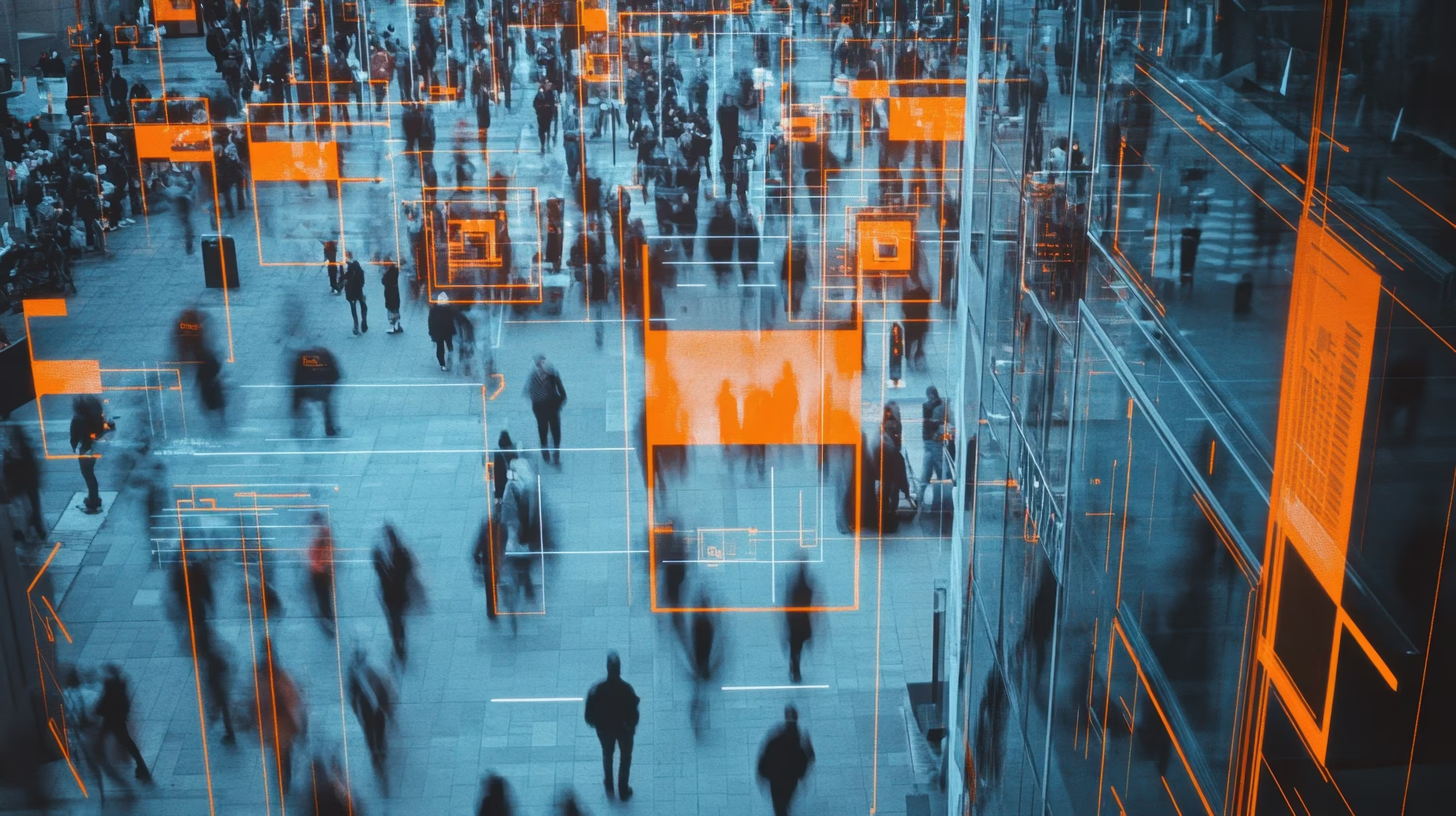
AI-powered analytics play a critical role in identifying concerning behavior early. Instead of relying solely on staff to notice subtle changes or emerging risks, LVT’s intelligent video solutions can alert teams to unusual movement, unauthorized access, or activity after hours. This helps stop incidents before they escalate. And because healthcare sites often include remote parking structures, loading docks, or walkways that are difficult to staff continuously, LVT’s mobile units provide dependable monitoring in places that might otherwise become blind spots. This real-time visibility supports quicker, calmer responses that enhance the overall sense of safety for everyone.
Integrating Technology With Human Oversight
Technology also helps reinforce compliance with privacy and healthcare regulations. LVT’s secure, cloud-based platform enables facilities to manage video data responsibly while complying with HIPAA requirements and internal privacy protocols. When paired with strong human judgment and compassionate care practices, these tools create a balanced, reliable approach: one where technology amplifies the strengths of security teams and contributes to a safer environment for patients, visitors, and staff.
Mobile Surveillance Solutions for Healthcare Needs
LVT helps healthcare organizations close security gaps through flexible, mobile security units that can be deployed exactly where they’re needed. Whether monitoring a busy parking lot, a loading dock with frequent vendor access, or a restricted back corridor, LVT provides real-time visibility that adapts as needed.
This flexibility is especially valuable when a campus is growing, reconfiguring space, or responding to shifting patient volumes. Instead of waiting for construction or relying solely on fixed systems, teams can move LVT units as challenges emerge, maintaining strong coverage without disruption.
Supporting a Culture of Safety and Trust
At its core, LVT is designed to help healthcare facilities stay ahead of potential threats. By reducing blind spots and strengthening visibility across the campus, LVT supports security teams in creating a calm, predictable environment where patients can focus on healing and staff can focus on providing care.
The presence of reliable, well-placed security technology also nurtures trust. When people feel protected, they move through the facility with greater ease—and that comfort elevates the entire care experience. With LVT as a partner, healthcare organizations can reinforce a culture where safety, compassion, and readiness coexist seamlessly.
Safety as a Foundation for Healing
Healthcare facility security is an essential part of compassionate care. When patients, families, and staff feel protected, healing can take place more fully and confidently. As healthcare environments continue to evolve, so must the strategies that safeguard them. LVT plays a crucial role in this shift, giving organizations the visibility, flexibility, and responsiveness needed to create spaces where safety supports the mission of healing.
→ Learn how LVT’s mobile surveillance and analytics tools can help your team close security gaps and protect what matters most.
%20(1).avif)